
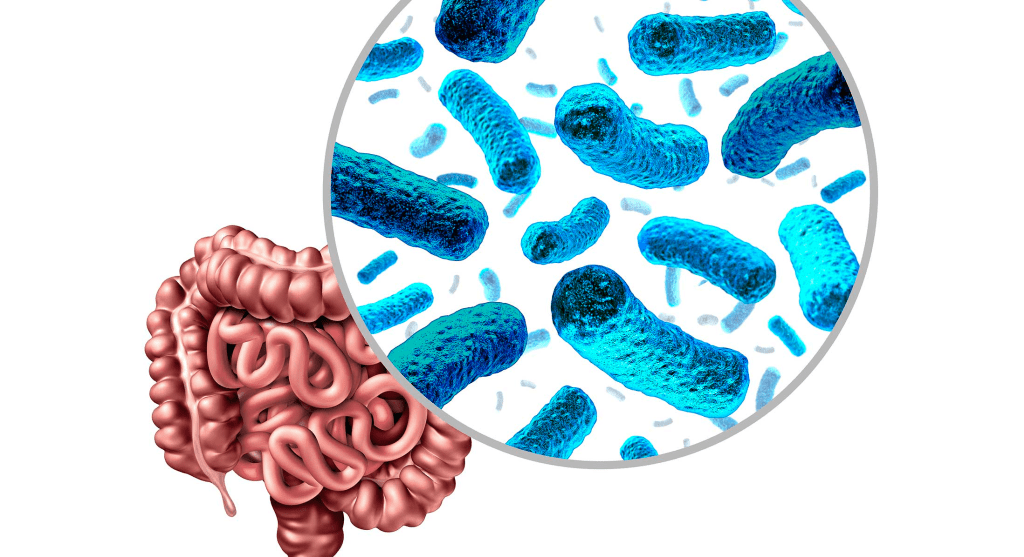
The Gut microbiome or friendly bacteria in the gut plays a fundamental role in various aspects of our health and is involved in numerous physiological processes throughout the body. Right from digestion and nutrient absorption to metabolism and energy levels, from building our immunity against infections, allergies to preventing autoimmune diseases. Not just that, the friendly gut bacteria also plays a role in synthesising certain vitamins and hormones in the body, such as, Vitamin K, B12, and conversion of inactive thyroid hormone to the active thyroid hormone. Recent studies have revealed the gut microbiome as our second brain. The gut-brain axis maintains a constant communication link between the gut microbiota and the brain, which has a profound impact on our moods and feelings, emotional wellbeing, and cognitive abilities.
Ayurveda says that any disease has its root in the digestive and gut health. And so, it is really important that we maintain a proper balance of this gut microbiome for a healthy life free from diseases.
Several factors can contribute to the depletion or imbalance of friendly bacteria in the gut, disrupting the delicate ecosystem of the gut microbiota. The top five factors which can deplete this microbiome ecosystem causing various diseases are:
- Pharmaceuticals: All pharmaceuticals deplete the gut bacteria, especially Antibiotics are designed to kill or inhibit the growth of harmful bacteria that cause infections. However, they can also affect the beneficial bacteria in the gut, leading to a decrease in their numbers and diversity. We notice this in form of various digestive issues after taking antibiotics. Additionally these bacterias are depleted by birth control pill, often given for treating various hormonal issues in women, steroids and antacids.
- Diet: A diet high in processed foods, sugar, unhealthy fats, and low in fiber negatively impacts the gut microbiota. Beneficial bacteria thrive on fiber-rich foods like fruits, vegetables, whole grains, and legumes. Consuming a poor diet can deprive friendly bacteria of essential nutrients and create an environment conducive to the growth of harmful bacteria. Excessive alcohol consumption and smoking also cause imbalance in the gut microbiome, loads the liver and lungs with toxins.
- Stress: Chronic stress affects gut health by altering gut motility and increasing intestinal permeability, which often is the cause of various allergies and autoimmune diseases. Stress hormones like cortisol influence the composition and function of the gut microbiota, reducing the number of friendly bacteria.
- Environmental Factors: Exposure to environmental toxins, pollutants, pesticides, and chemicals in food and water kills the friendly bacteria causing a range of health.
- Lack of Sleep: Poor sleep quality or sleep deprivation can disrupt circadian rhythms, increase stress hormones, and alter gut motility and immune function, all of which can influence the composition of the gut microbiota.
In a holistic approach to disease management, while on one hand it is important to replenish our gut flora with probiotics in diet, on the other hand a good gut flora requires maintaining a healthy lifestyle, including a balanced diet, regular exercise, stress management, and avoiding unnecessary pharmaceutical use.
 MEDHYA YOGA & WELLNESS
Leave a comment