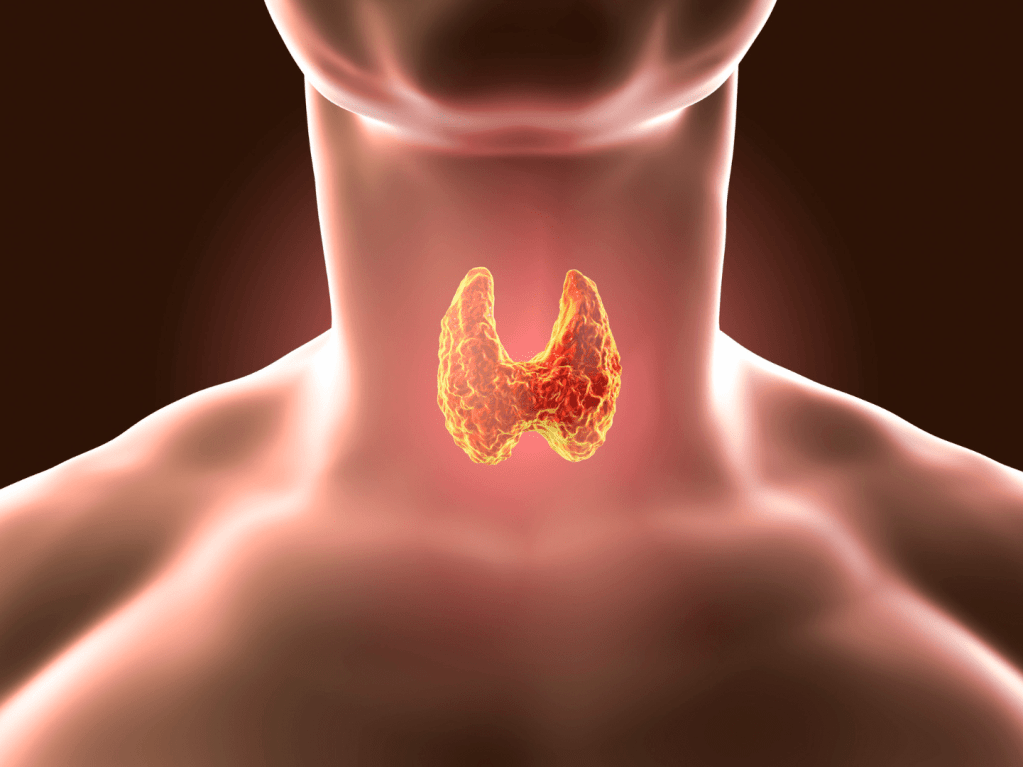
Low levels of active thyroid hormone or T3 in your blood test does not always indicate a dysfunctional thyroid gland.
Yes you heard me right!
You might be experiencing symptoms of low thyroid such as weight gain, excessive hair loss, low energy, fatigue, dry skin, brain fog and poor memory, and this might even be supported by your thyroid blood test, Seeing which Your doctor might put you on thyroid medication as well, but do you know this does not give you the complete picture. In fact, sometimes it gives you an inconsistent view of the condition.
And the simple reason behind this is because we overlook the interrelations and connectedness of the entire hormonal system with each other and with other systems of the body.

In this specific case of thyroid dysfunctions, there are three factors which influence the thyroid hormone and should be taken into consideration before beginning any treatment.
- Changes in the Ovarian hormones.
The thyroid hormones are highly susceptible to the changes in the levels of reproductive hormones which are estrogen, progesterone and testosterone, because they all compete for the same carriers and receptors, so imbalances in one may impact the other.
For Eg. an increase estrogen level caused by conditions like endometriosis, fibroids, and insulin resistance, or an increased progesterone levels in women who have PMS may cause the thyroid levels to drop, indicating hypothyroidism, in the blood report even though the thyroid gland may be functioning normally.
- Liver health
Liver is the major organ of detoxification in our body. It also plays a crucial role in converting T4 (the inactive form of thyroid hormone) into T3 (active form of thyroid hormone) through enzymatic processes. This conversion is important for the thyroid hormones to be effective in regulating our body’s metabolism.
The liver also helps in the transport, and regulation of thyroid hormones in the body. When the liver is functioning properly it will clear the excess hormones from the bloodstream so that a normal range is maintained in the body. This process ensures that the levels of thyroid hormones in the body remain within a normal range.
However, the liver is loaded with toxins owing to a sedentary lifestyle and poor eating habits like consuming a lot of processed and refined foods, alcohol and too much medicines, then the liver gets overwhelmed with toxins which impacts its proper functioning. A dysfunctional liver can potentially affect the balance and availability of thyroid hormones in the body, leading to disruptions in thyroid function.
- Stress Levels
If there is one factor which has a profound damaging impact on our overall health, it is Stress. While acute stress is a normal part of life, chronic and persistent stress can have more significant and prolonged effects on our hormonal health, including the function of the thyroid gland.
High cortisol levels, which are associated with stress, impact liver’s health and inhibit the conversion of inactive thyroid hormone (T4) to active form (T3). High stress levels also inhibit the transport of thyroid hormones from the blood to the different body cells and blocks the receptor sites. This results in the cells not getting enough thyroid hormones which are needed for proper metabolism, potentially contributing to hypothyroidism at cellular level, even though blood thyroid levels may show normal. Stress can also suppress our immune system leading to the development of an autoimmune thyroid condition called Hashimoto’s thyroiditis.
The endocrine system and its interrelationships are complex and are often misunderstood and confused preventing women from getting the right treatment for the problem. Individual responses to these interrelated factors can vary. Some women may be more susceptible to the effects of these interrelationships on thyroid health than others. However, in a holistic treatment which addresses the root cause of the problem these interrelationships should not be avoided.
As far as the thyroid gland is concerned, it is best to consider a woman’s full hormonal profile to get a broader picture of their endocrine health, rather than simply concentrating on their thyroid hormones alone.
 MEDHYA YOGA & WELLNESS
Leave a comment